West Croydon garden rubbish removal and green waste tips
Posted on 08/10/2026
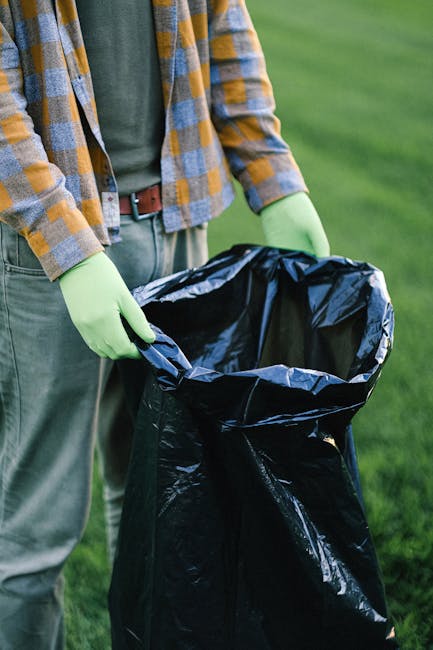
If your garden in West Croydon has turned into a small mountain of clippings, branches, soil bags, and that one broken planter you keep meaning to deal with, you are in the right place. West Croydon garden rubbish removal and green waste tips are not just about getting rid of mess quickly; they are about doing it neatly, safely, and in a way that saves time, avoids hassle, and keeps usable materials out of landfill where possible.
Truth be told, garden waste has a habit of building up faster than people expect. One weekend of pruning, a hedge trim, a few weeds after rain, and suddenly the patio looks like a skip in slow motion. This guide walks through how garden rubbish removal works, what to separate, what to avoid, and how to handle green waste smarter in a West Croydon setting. We will also touch on compliance, practical tools, common mistakes, and the best way to decide whether to do it yourself or bring in help.
Practical takeaway: Sort garden waste before collection, keep green waste clean, avoid mixing soil-heavy loads with light cuttings, and plan disposal as part of the garden job rather than as an afterthought. That simple shift saves a lot of time.
Why West Croydon garden rubbish removal and green waste tips Matters
Garden waste is one of those jobs that looks simple until you are halfway through it and realise you have three different kinds of rubbish, a blocked path, and nowhere convenient to put it all. In West Croydon, that matters even more because many homes have limited outdoor storage, shared access routes, or compact gardens where clutter quickly gets in the way. A tidy, well-managed outdoor space feels bigger, safer, and easier to use. Simple as that.
Good green waste handling also helps you make better decisions about what can be composted, reused, chipped, or collected separately. Not every pile of garden material is the same. Fresh grass cuttings behave very differently from wet soil, thorny branches, or a broken trellis tangled in ivy. If you treat everything as one mixed heap, disposal becomes more expensive and less efficient. If you separate it properly, you often cut down the stress before it even starts.
There is also the practical local side. West Croydon properties may face tight kerb space, limited driveway access, or shared front areas where piles of waste can become awkward quickly. A sensible removal plan avoids nuisance to neighbours and keeps the process neat. Nobody wants a pile of hedge trimmings sitting outside for two damp days in a row. That smell? Not ideal.
How West Croydon garden rubbish removal and green waste tips Works
At a basic level, garden rubbish removal means gathering outdoor waste, separating the recyclable or compostable material from general rubbish, and arranging the right disposal method. Green waste usually refers to organic garden material such as grass, leaves, small branches, hedge cuttings, plant matter, and weeds. But in real life, many garden clear-outs also include old pots, broken fencing, bags of soil, plastic edging, and the odd rusted tool.
The process tends to work best in stages:
- Survey the waste: Walk the garden and identify what type of waste you actually have. Clippings, branches, soil, timber, and general rubbish should not all be treated the same.
- Separate the piles: Keep green waste, wood, soil, and non-organic rubbish apart where possible. This makes loading and disposal much easier.
- Check access: Think about path width, steps, side gates, and whether a vehicle can park nearby without causing problems.
- Choose the removal method: This could be your own car and a local facility, council collection if available and suitable, or a professional rubbish removal service.
- Load safely: Heavy items should go in first, sharp items should be contained, and bags should be tied properly. Wet material can be much heavier than it looks.
- Dispose responsibly: Green waste should ideally be routed into composting, mulch, or processing streams rather than mixed with general rubbish where avoidable.
If you are dealing with a one-off tidy-up, the job may be straightforward. If you have overgrown hedges, a spring clear-out, or a full garden redesign, the waste can escalate quickly. That is where planning matters. A lot. The difference between a smooth job and a messy one is usually preparation, not muscle.
For broader household disposal planning, some people also review rubbish collection in Croydon alongside garden clearance, especially if they are tackling both indoor and outdoor clutter at the same time. It can be an efficient way to sort everything in one go rather than dragging the process out for weeks.
Key Benefits and Practical Advantages
The biggest benefit is obvious: you get your outdoor space back. But there is more to it than a neat lawn and a clear patio. Proper garden rubbish removal can reduce trip hazards, make maintenance easier, and stop damp piles of waste from attracting pests or creating unpleasant smells. It also lets you see the garden properly again, which sounds small until you are actually standing there with a tea in hand thinking, oh, this is better.
Here are the advantages people usually notice first:
- Faster garden maintenance: Once waste is cleared, mowing, trimming, and planting become simpler.
- Better space use: Sheds, side returns, and patios feel more open when piles of cuttings are gone.
- Cleaner presentation: Useful if you are selling, renting out, or simply trying to stop the garden looking neglected.
- Reduced manual hassle: Sorted loads are easier to move, bag, and collect.
- More sustainable handling: Green waste can often be reused in composting or mulching pathways rather than treated as mixed rubbish.
- Fewer delays: A tidy removal plan means less back-and-forth, fewer trips, and less frustration.
There is also a cost-control angle. When garden waste is mixed carelessly with general rubbish, you may end up paying more for disposal than necessary. Clean, separated waste is easier to manage. It is one of those small habits that pays off quietly. Nothing dramatic. Just less faff, which is underrated.
For people looking at wider home clearance jobs, the same mindset helps with domestic waste collection in Croydon and waste removal in Croydon. Garden waste is simply one part of the bigger picture of keeping a property orderly and manageable.
Who This Is For and When It Makes Sense
Not every garden job needs a full removal service, but many do. If you are a homeowner with a modest back garden, a landlord preparing a property, a tenant leaving behind a few overgrown patches, or someone who has finally decided the ivy has won, this topic is for you.
Garden rubbish removal makes particular sense when:
- you have had a major prune or hedge cut
- storm damage has left branches or scattered debris
- your bins are not enough for the amount of waste
- you have soil, turf, roots, or mixed materials that are awkward to move
- you need the area cleared quickly for guests, inspections, or new landscaping
- you do not have the time, vehicle space, or physical capacity for multiple disposal runs
It also helps people who are trying to keep a tidy outdoor space with minimal fuss. To be fair, not everyone wants to spend Saturday wrestling with heavy bin bags and wet hedge clippings. Some people enjoy gardening itself but not the disposal part. Fair enough, really.
Commercial or shared-property cases also come up: small offices with planted areas, landlords handling end-of-tenancy outdoor clearances, or managing agents looking after communal borders. In those situations, scheduling and access matter even more. A sensible collection plan avoids disruption and keeps the job moving.
Step-by-Step Guidance
If you want a neat outcome, start with the waste itself rather than the collection vehicle. A bit of sorting up front saves a lot of pain later. Here is a practical approach that works well in real homes and small gardens.
1. Identify the waste categories
Walk around the garden and divide what you see into broad groups: green waste, woody waste, soil and turf, hard waste, and general rubbish. If you are honest at this stage, everything else gets easier. If not, you end up with a mixed pile and a sigh.
2. Remove anything reusable
Sometimes what looks like waste is actually useful. Broken terracotta pots may still have salvageable pieces for drainage. Old timber edging may be reusable if it is not rotten. Healthy branches can sometimes be chipped or used as habitat in a wildlife corner. A little judgement goes a long way.
3. Bag or bundle by material type
Green cuttings work best in breathable or strong sacks if you are collecting them yourself. Branches should be tied into manageable bundles. Soil and turf are heavy, so do not overfill bags; they split when you least want them to. We have all seen that one bag tear right at the gate. Not fun.
4. Keep the route clear
Before moving waste, clear the path to the front of the property or vehicle. Mats, plant pots, bikes, and children's toys have a strange way of appearing underfoot exactly when you are carrying a full bag. A clean route makes the job safer and quicker.
5. Load heavy items first
If you are using a van or a trailer, put heavier waste at the bottom and distribute weight evenly. Green cuttings can then sit on top. Sharp or spiky material should be contained so it does not snag bags or clothing. Sounds obvious, but once in a while people skip this and regret it halfway through the drive.
6. Decide on disposal early
Think ahead about where each material stream is going. Green waste, metal, timber, and general refuse often need different handling. That decision should happen before you start lifting, not after the pile is already on the driveway.
7. Finish with a sweep-up
Once the main waste is gone, sweep or rake loose bits, clipped leaves, and soil crumbs. The final ten minutes matter. They make the whole area feel properly finished rather than half-done.
Expert Tips for Better Results
After plenty of garden clearances, a few patterns become obvious. The jobs that go smoothly are rarely the ones with the strongest people; they are the ones with the clearest sorting and the least last-minute improvisation.
Keep green waste as dry as practical. Wet cuttings are heavier and more awkward to move. If the forecast is miserable, try to bag and shift lighter waste before it gets sodden. A damp morning can double the weight in a way nobody thanks you for.
Use smaller bags for dense loads. It is tempting to cram everything into one large sack, but it creates strain and often tears. Smaller, more manageable loads are easier to carry and less likely to split in transit.
Cut long material down before moving it. Long branches and tangled vines are awkward. Make them shorter, neater, and stackable. It sounds like extra work, but usually it saves time overall.
Separate soil from organic waste. Soil can be useful, but it behaves differently from cuttings. If you mix a lot of soil into green waste, the load becomes heavier and less suitable for composting. Keep it distinct where you can.
Do a final sort before collection day. A quick re-check often catches old plant pots, broken hosepipe, or bits of plastic netting hiding in the pile. Those little items are easy to miss and annoying to sort later.
Think about the next garden task. If you are pruning now and planting later, remove waste in a way that leaves the area ready for the next stage. That is how you avoid the cycle of clutter.
One small but useful habit: keep a dedicated corner for garden waste when you are working on a bigger project. It stops the whole garden from looking chaotic by lunchtime. Very much a sanity saver.
Common Mistakes to Avoid
People often assume garden waste is easy because it is "just plants". In practice, it is often a mix of light, heavy, wet, sharp, and awkward materials. The mistakes below are common enough to deserve a proper warning.
- Mixing everything together: This is the most common problem. It makes sorting and disposal more difficult and can push up cost.
- Overfilling bags: A bag that is too heavy is not efficient; it is a back strain waiting to happen.
- Ignoring access: If a path is narrow or cluttered, moving waste becomes slower and riskier.
- Leaving waste to rot for days: This can attract insects and create a damp, unpleasant smell, especially after rain.
- Forgetting sharp materials: Thorny branches, broken canes, and splintered wood should be handled carefully.
- Assuming all green waste is the same: Grass cuttings, hedge trimmings, and roots do not behave alike. Treating them like one category can lead to poor results.
- Using the wrong container: Thin sacks or weak bags split fast. Better to use something sturdy from the start.
One subtle mistake is underestimating how much waste a tidy-up will produce. A few shrubs can fill a surprising amount of space once cut down. That is just how gardens work. They look innocent until the secateurs come out.
Tools, Resources and Recommendations
You do not need a shed full of specialist kit to manage garden rubbish well, but a few tools make everything smoother. If you are doing the job yourself, these are worth having to hand:
- Heavy-duty garden sacks: Good for leaves, small cuttings, and lighter debris.
- Work gloves: Essential for thorny plants, rough timber, and hidden sharp edges.
- Secateurs or loppers: Useful for cutting waste down to manageable lengths.
- Rake and broom: Helpful for the final tidy-up and sweeping loose matter.
- Wheelbarrow: A simple but very effective way to move heavier loads safely.
- Tarpaulin: Handy for dragging piles to a collection point without scattering debris everywhere.
- Plant ties or twine: Good for bundling branches and keeping loads compact.
For readers who want a wider view of sustainable disposal habits, the site's recycling and sustainability page is useful background. It supports the same basic idea: when materials are separated properly, more of them can be handled responsibly rather than thrown into one mixed stream.
You may also find the company's garden waste removal in Croydon service relevant if you want a more direct collection option for larger outdoor clearances. For broader service context, services overview can help you see where garden waste fits alongside other clearance needs.
If you are comparing providers, it also helps to look at their pricing clarity and safety information. Useful pages to review include pricing and quotes and insurance and safety. That way you are not guessing. And let's face it, guessing on waste jobs usually leads to a second job.
Law, Compliance, Standards, or Best Practice
Garden waste disposal in the UK should be handled responsibly, and anyone using a removal service should be comfortable that waste is being transported and processed properly. You do not need to become a legal expert, but a few basics are worth knowing.
First, waste carriers should be able to demonstrate appropriate registration or compliance where relevant. If you are hiring someone to take material away, it is reasonable to ask how they handle disposal and whether they follow proper waste transport rules. That is not being awkward; that is sensible. Good operators expect the question.
Second, keep an eye on what is being removed. Mixed garden waste may include items that do not belong with organic material, such as treated timber, broken tools, plastics, or old garden furniture. These may need different handling. Responsible sorting is part of good practice and helps reduce contamination in green waste streams.
Third, avoid fly-tipping risks by using legitimate disposal routes only. If a price seems unusually low and someone is vague about where the waste goes, pause. A cheap shortcut can become an expensive headache if it is mishandled. No one wants their waste ending up where it should not.
Best practice also includes respecting neighbours, paths, pavements, and shared entrances. Keep piles contained, do not block access, and load quickly once waste is ready. Small courtesies matter more than people think in busy streets and terraced areas.
If you want a sense of the company's standards more broadly, it is sensible to read waste carrier licence and compliance alongside the privacy, terms, and payment information. Those pages give a fuller picture of how a provider works, not just what they collect.
Options, Methods, or Comparison Table
There is no single right way to handle garden rubbish in West Croydon. The best method depends on volume, access, time, and whether the waste is clean green material or a mixed load. The table below gives a simple comparison.
| Method | Best for | Strengths | Drawbacks |
|---|---|---|---|
| DIY bag-and-trip disposal | Small, light garden jobs | Low direct cost, full control, flexible timing | Time-consuming, limited by vehicle space, more lifting |
| Council-style collection or local disposal route | Planned clear-outs with suitable waste types | Can be straightforward if accepted materials match the rules | May involve waiting, limits, or sorting requirements |
| Professional garden waste collection | Medium to large clearances, awkward access, mixed waste | Fast, convenient, less heavy lifting, better for larger piles | Usually costs more than doing it yourself |
| Composting on site | Clean green waste only | Good for sustainability, reduces disposal volume, useful later | Needs space, patience, and suitable materials |
For many households, the sweet spot is a combination. Some material gets composted, some gets bundled for collection, and the awkward remainder goes through a proper removal route. That mixed approach is often the most practical, if a little less glamorous than the tidy ideals people imagine at the start.
Case Study or Real-World Example
A typical West Croydon garden job might look like this: a small rear garden, overgrown borders, a hedge that has been left a bit too long, and a patch of wet leaves gathered after a windy week. The homeowner starts by pruning the hedge, then realises the cuttings are more bulky than expected. There are also old plant pots, a broken trellis, and a bag of soil from a half-finished bed.
Instead of shoving everything into one pile, the waste is split into three groups. Clean green clippings are bagged separately. The branches are cut down and bundled. The trellis and plant pots go into a general rubbish pile. Once sorted, the load is easier to move and much faster to collect. The garden is cleared in one visit rather than spreading over several weekends. Small difference, big relief.
What did this approach save? Time, mainly. But also repeated lifting, avoidable mess, and that annoying stage where you keep walking past the pile thinking you will "deal with it later". Later is where gardens go to get neglected. It happens to the best of us.
Practical Checklist
Use this quick checklist before you arrange collection or load waste yourself:
- Have I separated green waste from general rubbish?
- Are branches cut into manageable lengths?
- Have I removed stones, plastic, metal, and old fixtures from the pile?
- Are the bags strong enough for the material inside them?
- Is the route from garden to vehicle clear?
- Do I know where each type of waste is going?
- Have I checked for thorny or sharp items?
- Will the load fit safely in the vehicle or collection area?
- Have I planned a sweep-up after removal?
- Do I need help because the waste is too heavy, too bulky, or too awkward?
If you can tick most of those off, you are in good shape. If not, pause and sort the basics first. That little reset usually saves the most time.
For a wider property clearance or a bigger mixed load, some readers also compare with house clearance in Croydon, especially if the garden project is part of a broader declutter. It is all connected in the end.
Get a free quote today and see how much you can save.
Conclusion
West Croydon garden rubbish removal and green waste tips come down to a simple idea: sort carefully, handle safely, and choose the disposal method that fits the job rather than forcing the job to fit a bad plan. That is what keeps a garden clear without turning the process into a weekend-long headache.
Whether you are trimming a hedge, clearing a neglected border, or dealing with a full seasonal tidy-up, the best results usually come from calm, practical preparation. Keep green waste clean, think about access, and do not underestimate the value of a final sweep. It is the small things, really.
And once the waste is gone, the garden changes in a quiet but very real way. You notice the space, the light, the fresh lines of the beds. It feels like a proper reset. Nice, that. A bit of breathing room at home never hurts.