Boxpark Croydon waste and rubbish clearance after events
Posted on 25/08/2026
Boxpark Croydon Waste and Rubbish Clearance After Events: A Practical Guide for Smooth, Fast Cleanups
After a busy event at Boxpark Croydon, the last thing anyone wants is a messy handover, overflowing bins, or a cleanup crew still hunting for cups and packaging long after the music has stopped. Boxpark Croydon waste and rubbish clearance after events is not just about tidying up; it is about restoring the space quickly, keeping operations safe, and making sure the venue can move on to the next day without unnecessary stress. If you have ever seen the difference between a well-run post-event clear-up and a rushed one, you will know it is night and day.
This guide explains how event rubbish clearance works, what to expect, who it suits, and how to avoid the common mistakes that slow everything down. It also covers compliance, recycling, practical planning, and the small details that often get missed in the rush. Truth be told, those details are usually the difference between a smooth exit and a headache.
Why Boxpark Croydon waste and rubbish clearance after events Matters
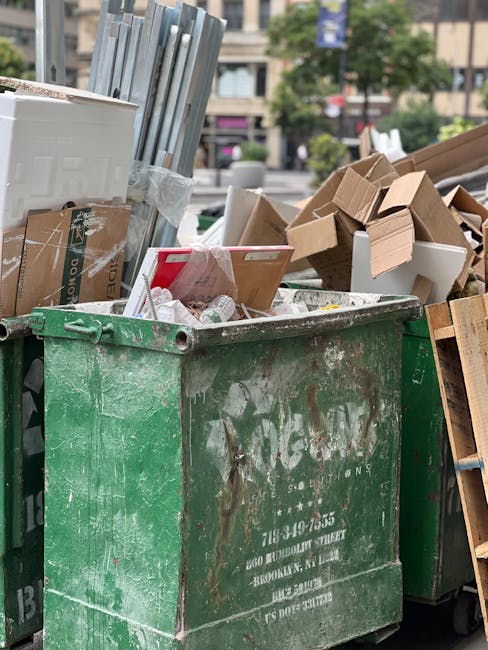
Event spaces work best when they can reset quickly. At Boxpark Croydon, that means dealing with mixed rubbish at pace: food waste, cups, bottles, takeaway packaging, napkins, promotional materials, broken signage, and the odd surprise item that somehow turns up at the end of a lively night. If the waste is not cleared properly, it does more than look untidy. It can create slip risks, attract pests, block access routes, and make the venue feel unfinished long after guests have gone home.
There is also a reputation angle. People remember whether a venue feels organised. A clean start the next morning matters for staff, traders, customers, and anyone arriving for a fresh booking. That is especially true in a busy Croydon setting, where turnover can be tight and public-facing presentation matters. A good cleanup is quiet but powerful. You do not notice it when it works, which is exactly the point.
Event waste clearance also supports better recycling and less landfill. That connects neatly with the broader thinking behind recycling and sustainability practices and the principles discussed in sustainable resource management. Even after a high-energy event, there is usually a sensible way to separate reusable, recyclable, and general waste if the system is set up properly.
Expert summary: The best post-event clearance is fast, tidy, and methodical. The aim is not just to remove rubbish, but to hand the venue back in a condition that is safe, presentable, and ready to use again.
How Boxpark Croydon waste and rubbish clearance after events Works
In practice, event rubbish clearance is a short workflow with a lot of moving parts. The smoother the planning, the less disruption after the event. A typical clearance process will start before the guests leave, not after. That may sound obvious, but it is where many operations go wrong. Once waste begins to pile up, everyone slows down.
1. Pre-event planning
The best clearances start with a waste plan. That means deciding where bins will go, what kind of waste is expected, who will separate recyclables, and how the final sweep will be done. For larger events, this may include short-term arrangements for traders, caterers, or production teams. A few minutes of planning saves hours later. Honestly, it is one of those unglamorous jobs that pays off immediately.
2. Segregation during the event
If food packaging, cans, cardboard, and general waste all go in the same place, clearance becomes slower and more expensive. Segregation during the event helps reduce contamination and improves recycling outcomes. In a busy venue, clear labels and strategically placed bins matter more than people think. If guests can see where things belong, they are far more likely to use the right bin.
3. End-of-event collection
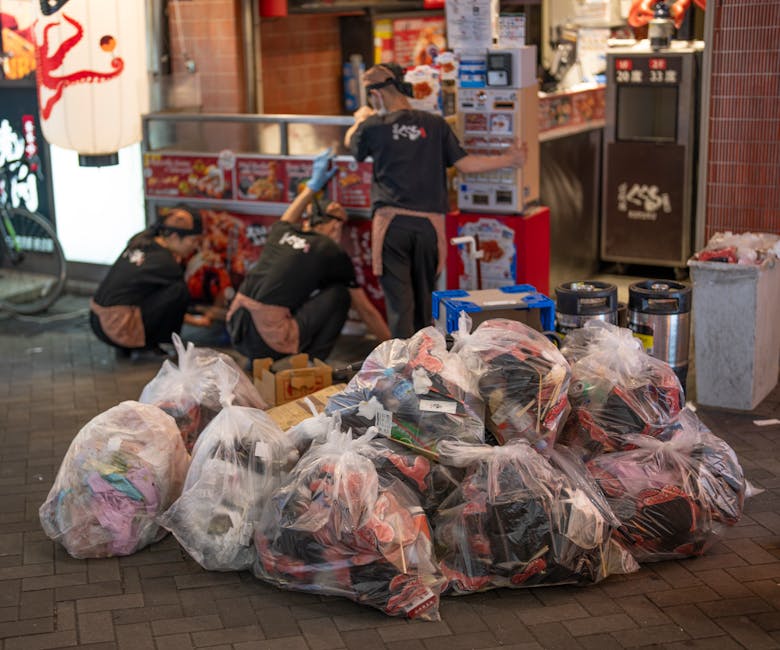
Once the event ends, the clear-up team removes loose waste first. That usually includes tableside litter, bagged waste, and anything left in back-of-house areas. The task then moves to larger items such as cardboard stacks, broken displays, disposable trays, and anything that cannot stay on site overnight. At this stage, speed matters, but so does care. You want the area cleared, not just swept into corners.
4. Loading, transport, and disposal
Waste is then sorted, loaded, and taken to the appropriate transfer, recycling, or disposal route. A proper waste carrier should be able to explain what happens next in simple terms. If they cannot, that is usually a warning sign. For business owners, venue managers, and organisers, keeping the process transparent is reassuring and helps with internal reporting too.
5. Final site check
Before the team leaves, the site should be checked for sharp items, spills, forgotten materials, and blocked walkways. This final walk-through is often the difference between "done" and "actually done." Slightly dramatic, maybe, but true.
For teams managing repeat events or mixed-use commercial spaces, it may also make sense to compare support options through the services overview and weigh up whether a one-off response or a broader waste arrangement is the better fit. If you need regular commercial support, commercial waste removal in Croydon is often the closest long-term match.
Key Benefits and Practical Advantages
A properly managed post-event clearance delivers more than a clean floor. It creates order, cuts risk, and keeps your team from scrambling around with bin bags at midnight. There is a nice relief in that, to be fair.
- Faster venue reset: The site can be prepared for the next booking with less downtime.
- Better safety: Reduced trip hazards, fewer sharp objects, and cleaner access routes.
- Improved presentation: A tidy venue reflects well on organisers and traders.
- More effective recycling: Separation of materials makes responsible disposal more realistic.
- Less staff fatigue: Your team can focus on closing down properly instead of improvising a cleanup.
- Reduced complaint risk: Neighbouring businesses and visitors are less likely to be affected by overspill or mess.
- Better compliance habits: A clear process helps with duty-of-care expectations and internal record keeping.
One small but important advantage is consistency. If the same process is repeated after every event, the team knows what to do and when. That sounds basic, but consistency is often what separates a calm operation from a chaotic one. The venue feels more professional, the staff feel more confident, and the whole post-event mood improves.
If you are dealing with bulky leftover items such as seating, damaged furniture, or dismantled event fixtures, it may be worth looking at furniture removal in Croydon or furniture disposal in Croydon as part of the wider plan.
Who This Is For and When It Makes Sense
Boxpark Croydon waste and rubbish clearance after events is relevant to a wide mix of people, and not only large organisers. In reality, a lot of different teams benefit from a structured cleanup approach.
It makes sense for:
- event organisers managing pop-ups, launches, live music, or private bookings
- venue teams responsible for end-of-night closures
- traders and food vendors generating packaging and food waste
- production crews leaving behind temporary materials
- promoters working across multiple event dates
- property and facilities teams who need the site back quickly
- businesses hosting seasonal gatherings or brand activations
It also makes sense whenever the event footprint is bigger than your everyday waste routine. A regular bin collection system can cope with normal trade waste, but after an event the volume, mix, and timing are different. You may have more cardboard than usual, more drink containers, more spill waste, and a tighter window for removal. That combination is where standard day-to-day habits start to wobble.
In Croydon, local context matters too. Boxpark sits in a busy, well-used part of town, so the practical side of cleanup is affected by footfall, access, loading timing, and the general pace of the area. If you know Croydon well, you will know that a clear exit path after a packed evening can be worth its weight in gold. If you want a wider sense of the area's rhythm, the local Croydon guide offers useful background.
Step-by-Step Guidance
Here is a sensible way to handle post-event clearance without overcomplicating it.
- Estimate the waste type and volume early. Think about food, packaging, drinks containers, printed materials, decor, and bulky items. A vague estimate is better than none, but a more precise one helps everyone.
- Set clear bin points. Keep general waste, mixed recycling, and food waste separate where possible. Make the setup obvious to guests and staff.
- Assign responsibility before the event starts. Someone should own the cleanup plan, even if the actual lifting is done by a wider team.
- Clear back-of-house waste in stages. Do not wait until the end if rubbish is already building up in service areas. That just makes the final clear-up messier.
- Do a quick sweep during the event lull. Even a small mid-event tidy can prevent a pile-up later.
- Bag and stack waste neatly. Loose waste slows loading and looks untidy. Tight, manageable stacks are easier to handle.
- Remove bulky items separately. Chairs, boards, tables, or damaged display pieces should be dealt with as distinct waste streams.
- Check for hazards. Glass, broken plastics, cables, and food spillages need attention before the team leaves.
- Take a final pass through the site. Walk the route a guest, staff member, or contractor would use. You will spot things you missed.
- Document what went out. A simple internal note on waste type and disposal route can help next time.
If timing is tight, same-day support can make all the difference. That is where same-day rubbish collection in Croydon becomes relevant, especially for events that overrun or produce more waste than expected. For smaller spillovers, rubbish collection in Croydon may be enough to get things back under control quickly.
Expert Tips for Better Results
A few simple habits can make event clearance feel dramatically easier. Not glamorous, but effective.
- Use visible bin signage. Most people are willing to help if the system is clear.
- Keep recycling bins close to consumption areas. If a bin is far away, people will not bother. Human nature, really.
- Use sturdy liners and clear bagging. Weak bags tear at the worst possible time.
- Separate wet waste early. Food-soaked packaging becomes messy fast and can ruin recyclable material.
- Plan for the noisy bits. Bottle collections, moving furniture, and stacking crates often happen when the venue is at its busiest, so schedule around that.
- Leave room for the unexpected. There is almost always an extra bag, an awkward item, or a mystery box that no one claimed.
- Keep access routes open. If the waste team cannot move safely, the whole process slows down.
One thing we see often is overconfidence about recycling. People assume everything can be recycled if it looks "clean enough." In reality, contamination matters. A little food residue can turn a good recycling load into mixed waste. That is why the separation step matters so much.
If your event regularly involves promotional builds, temporary structures, or booth dismantling, builders waste disposal in Croydon may be useful for heavier or more construction-like debris. It is not the same as ordinary event litter, and that distinction is important.
Common Mistakes to Avoid
Most post-event problems are preventable. Usually they happen because people are rushing, tired, or assuming "someone else will sort it." Let's face it, end-of-night optimism can be a bit magical.
- Leaving rubbish until the last minute. Once the event ends, the mess becomes harder to manage.
- Mixing all waste together. This makes recycling harder and increases disposal friction.
- Underestimating the volume. A small crowd can still generate a lot of packaging and spill waste.
- Ignoring bulky items. One broken table or large sign can create more problems than ten bags of litter.
- Forgetting loading access. If vehicles cannot get close enough, the cleanup becomes slower and less efficient.
- Assuming all providers are the same. Waste handling standards vary, and so do levels of care.
- Not checking the final site. A missed item can mean an avoidable complaint or safety issue the next morning.
Another common mistake is chasing the cheapest quote without checking what is included. Hidden extras can creep in when collections, labour, loading time, or disposal types are not clear from the start. If you are comparing options, it helps to read this guide to avoiding hidden charges before making a decision.
Tools, Resources and Recommendations
You do not need fancy kit to run a good post-event cleanup, but the basics should be in place. A few sensible tools make the whole process smoother and safer.
| Tool or resource | Why it helps | Best use |
|---|---|---|
| Heavy-duty bags | Reduces tearing and split loads | General event waste, food packaging, light mixed waste |
| Clearly labelled bins | Supports recycling and cuts contamination | Front-of-house and trader areas |
| Gloves and basic PPE | Improves safety during handling | Clear-up teams and back-of-house staff |
| Hand trolleys or dollies | Makes bulky items easier to move | Furniture, crates, and stacked boxes |
| Spill kits | Speeds up response to food or drink spillages | Bars, service counters, and high-traffic areas |
| Waste briefing sheet | Keeps everyone aligned | Staff, traders, and contractors |
For venues and organisers who want a broader service picture, the pages on waste removal in Croydon and domestic waste collection in Croydon can help explain the scope of collection work available. Even if the setting is commercial, understanding the differences between collection types helps you brief the job properly.
For any team concerned about who is carrying and disposing of the material, waste carrier licence and compliance is worth reviewing. It is one of those boring-but-essential topics that quietly protects everyone involved.
Law, Compliance, Standards, or Best Practice
Event waste clearance sits inside a few important UK best-practice expectations. You do not need to turn the cleanup plan into a legal seminar, but the basics matter.
First, waste should be handled by a competent and appropriately authorised carrier. That helps ensure it is taken to the right place and managed responsibly. Second, businesses should avoid fly-tipping risks by making sure waste is not left unsecured or handed to someone without the right credentials. Third, where waste can be separated for recycling, that should be done in a reasonable and practical way. Good practice is not about perfection. It is about doing what is sensible, documented, and proportionate.
For event organisers, duty of care means knowing roughly what waste has been produced, where it came from, and who removed it. That sounds formal, but in everyday terms it just means not shrugging and hoping it disappears. A simple record of collections and waste types is often enough for internal accountability and future planning.
Safety also matters. Post-event areas can contain glass, wet floors, sharp packaging, cables, and partially dismantled fixtures. Teams should not move through the site carelessly, especially when tired. A clear process, suitable equipment, and sensible supervision reduce the risk of incidents. If you want to understand how a provider approaches that side of things, insurance and safety is worth a look in the context of how services are structured.
There is also a wider sustainability expectation around reuse and recycling. A good clearance plan should ask a simple question: what can be reused, what can be recycled, and what genuinely needs disposal? That question alone improves decision-making more than most people realise.
Options, Methods, or Comparison Table
Different event setups need different cleanup methods. Here is a straightforward comparison to help you judge what fits best.
| Method | Best for | Pros | Limitations |
|---|---|---|---|
| In-house cleanup | Small events or low waste volumes | Low direct cost, quick for simple jobs | Can be slow, tiring, and less effective for bulky waste |
| Hybrid approach | Medium events with a clear plan | Flexible, cost-aware, keeps control in-house | Needs good coordination and enough staff |
| Dedicated waste removal team | High-volume or time-sensitive events | Fast, efficient, better for bulky and mixed waste | Higher upfront spend, needs proper briefing |
For a venue like Boxpark Croydon, the hybrid or dedicated approach often makes the most sense after busier events. A purely in-house cleanup can work for smaller bookings, but once the waste volume climbs, it is easy for the team to get bogged down. And nobody wants to spend the first hour of the next day chasing stray cartons across a service corridor.
If your event cleanup overlaps with office or commercial strip-out work, office clearance in Croydon may also be relevant. It is a different job, but the organisational mindset is similar: remove, sort, protect the space, and leave it ready.
Case Study or Real-World Example
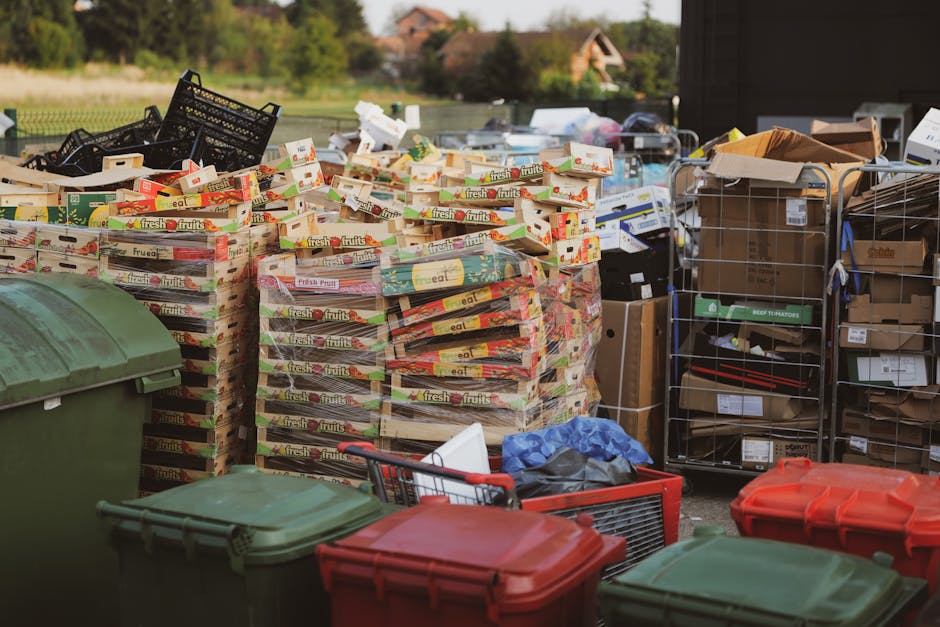
Imagine a Friday-night event with food traders, a small stage setup, and a late finish. By the end of the evening, you have bags of napkins, cardboard trays, bottle waste, a few damaged promotional boards, and some misplaced furniture. Nothing dramatic. Just the kind of mess that grows quietly until the space feels chaotic.
The organiser splits the work into three streams: front-of-house litter, trader waste, and bulky items. While guests are leaving, the first sweep starts in the quietest areas. The bar team bags drinks-related waste separately. A back-of-house lead checks for spillages and clears the loading route. By the time the final guest has gone, there is no mountain of rubbish waiting. There are neat stacks, labelled bags, and a clear pickup path.
Because the waste was sorted at source, the clearance is faster and less stressful. A few recyclable materials are kept separate, the bulky items are removed without delay, and the venue is ready for the next morning. It is not dramatic, but it works. That is usually how the best systems look in real life: calm, almost plain, and very effective.
For event-heavy environments, a relationship with commercial waste removal support can make repeat bookings much easier to manage. If there are also household-style leftovers from staff areas or hospitality setups, rubbish collection in Croydon can complement the larger event plan.
Practical Checklist
Use this quick checklist before, during, and after the event.
- Confirm expected waste types and likely volume.
- Place clearly labelled bins in sensible locations.
- Brief staff and traders on what goes where.
- Keep food waste, recyclables, and general rubbish separate where possible.
- Prepare bags, liners, gloves, and spill materials in advance.
- Keep loading routes clear for the end-of-event sweep.
- Remove bulky items separately from bagged waste.
- Check for glass, liquids, cables, and other hazards.
- Do a final room-by-room or zone-by-zone walk-through.
- Record what was removed and how it was handled.
If you are handling a larger crowd or a tighter turnaround, this is where a fast-response service can help. A same-day solution can be a genuine lifesaver when the schedule shifts or the cleanup volume is more than expected. That is especially useful if your event has spilled into the next morning and the venue needs to look clean, not just technically cleared.
For additional local context on waste limits, bulky item handling, and common enforcement issues, the guide to Croydon Council rules for bulky rubbish disposal and fines is a useful read.
Conclusion
Boxpark Croydon waste and rubbish clearance after events works best when it is planned early, handled in stages, and treated as part of the event itself rather than an afterthought. The venue looks better, the team works more calmly, and the whole process becomes easier to repeat. That is the real value here. Not a dramatic transformation. Just a cleaner, safer, more professional handover every time.
Whether you are managing a one-off booking or a recurring event schedule, the practical approach is the same: separate waste where you can, clear it promptly, check for safety issues, and use a carrier that understands local commercial cleanup properly. Do that well, and the difference is obvious by the next morning. The space feels reset. Ready again. And that matters more than people sometimes realise.
Get a free quote today and see how much you can save.
With the right plan in place, event cleanup stops feeling like the last messy chapter and starts feeling like a smooth finish. That is a good way to end a busy night, isn't it?