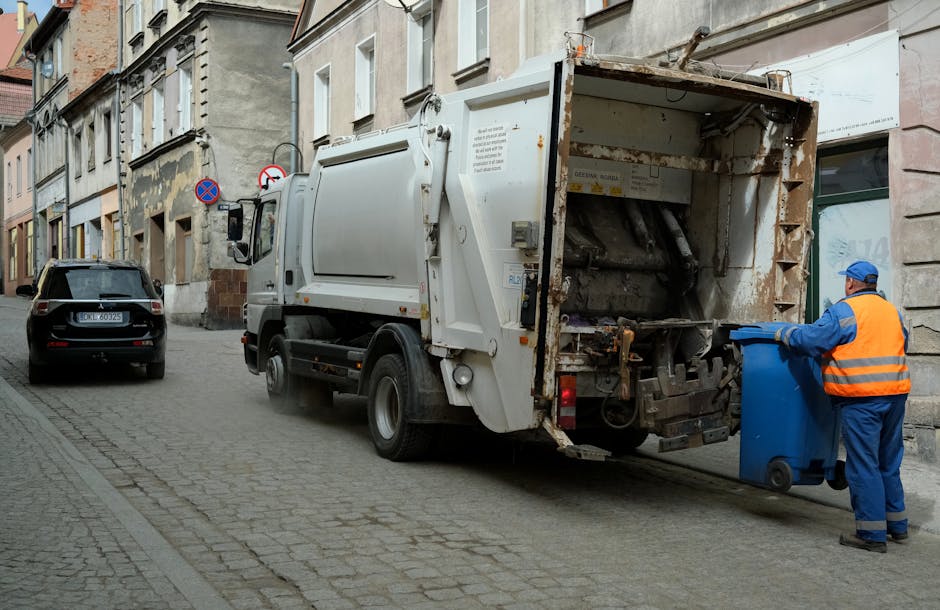
Avoid hidden charges in Croydon rubbish removal quotes
Posted on 01/07/2026
If you have ever compared rubbish removal prices and thought, "That seems fair enough," only to spot extra fees creeping in later, you are not alone. Hidden charges can turn a simple clear-out into a frustratingly expensive job. The good news is that you can avoid hidden charges in Croydon rubbish removal quotes if you know what to ask, what to check, and what a proper quote should include from the start.
This guide is written for anyone planning a house clearance, garden tidy-up, office strip-out, or a one-off rubbish collection in Croydon. It walks you through the fine print in plain English, so you can compare quotes properly, spot red flags early, and choose a service with confidence. To be fair, most people do not want a lesson in waste logistics. They just want the junk gone, the driveway left clear, and no unpleasant surprises on the invoice.
That is exactly what this article helps with.
Why Avoid hidden charges in Croydon rubbish removal quotes Matters
Rubbish removal pricing can look straightforward on the surface, but the final bill often depends on more than just "how much stuff there is". Weight, volume, labour, access, item type, parking, disposal fees, and timing can all affect the price. If any of those are left vague, the quote may look attractive at first and then grow legs later. Not ideal.
In Croydon, that matters even more because properties vary so much. You might be dealing with a terraced house with easy driveway access, a top-floor flat with no lift, or a busy commercial unit near the station where parking is awkward. Each scenario changes the job in small but costly ways. When a provider does not explain those variables clearly, you are paying for guesswork.
Hidden charges are not just about money, either. They can create delays, arguments at the kerbside, and awkward decisions when the team arrives and starts adding extras. Nobody wants to stand in the rain wondering whether a mattress, a broken wardrobe, or a few additional sacks suddenly counts as a "special item".
There is also a trust issue. A clear quote shows the company has thought through the job and is willing to explain the process. That is usually a good sign. A muddled quote, on the other hand, can be a warning that the final invoice will do the real talking.
If you want a broader picture of the services and standards around removal work, it can help to read the site's services overview and the page on pricing and quotes before you book anything. Those pages can give you a useful baseline for what a transparent provider should explain up front.
How Avoid hidden charges in Croydon rubbish removal quotes Works
A transparent rubbish removal quote should be built in layers. First comes the core service: collection, loading, and disposal. Then there are the practical factors that may change the price. The key is that each layer should be visible, explained, and confirmed before anyone starts lifting heavy furniture down the stairs.
Here is the basic shape of a quote:
- Initial description of the job. This is usually based on what you tell the company, photos you send, or a site visit.
- Estimate of volume or load size. The provider assesses how much space the waste will take in the vehicle.
- Labour and access. Stairs, distance from property to truck, heavy items, and awkward entrances all matter.
- Special disposal costs. Some waste streams, like white goods or mixed builder's waste, may need additional handling.
- Final confirmation. A reliable company should explain whether the quote is fixed, capped, or subject to inspection.
That final point matters a lot. A fixed quote means the agreed price should stay the same if the job matches the description. A capped quote means the price can move up to a certain limit if the actual load differs. An estimate is more flexible, but it should still be honest and easy to understand. If those terms are blurred together, you are left guessing. And guessing is where extra fees sneak in.
Some providers also attach terms related to waiting time, missed access, parking charges, additional collection trips, or unexpectedly difficult loads. These are not necessarily unfair. The problem is when they are not explained clearly before booking. A good quote makes the conditions visible, not buried in the small print like a needle in a haystack.
If you are dealing with a specific type of waste, the wording becomes even more important. For example, a garage full of mixed household clutter is one thing; a pile of renovation debris is another. Services such as builders waste disposal in Croydon or white goods and appliance disposal may follow different pricing logic from standard domestic clear-outs. Same street, different job. That is where people get caught out.
Key Benefits and Practical Advantages
When you take time to avoid hidden charges in Croydon rubbish removal quotes, the benefits are more practical than flashy. You save money, yes, but you also gain control over the whole process. That tends to make the day feel far less chaotic.
- More accurate budgeting. You can plan the job properly instead of leaving a cushion for mystery charges.
- Fewer disputes on the day. Everyone knows what has been agreed before the team arrives.
- Better comparisons between providers. A transparent quote lets you compare like for like.
- Less stress. You are not trying to decode an invoice after the van has driven off.
- Better service fit. Clear pricing often reflects clear operational thinking, which usually helps the job run smoothly.
There is a quieter benefit too. A clear quote makes it easier to decide whether you need a full service or a more specific option. For example, a simple load of domestic clutter may fit a rubbish collection in Croydon package, while a larger property clear-out may be better suited to house clearance services. You do not want to overpay for a heavy-duty service if your job is modest. Equally, you do not want to underbook and then pay extra to make up the difference. A straightforward quote helps you match the job properly the first time.
For many customers, transparency also gives peace of mind around payment. If you want to understand how billing and checkout should work, the page on payment and security is worth a look. It can help you spot whether the company treats transactions carefully and professionally.
Who This Is For and When It Makes Sense
This topic is useful for almost anyone booking waste removal, but some people need it more urgently than others.
- Homeowners clearing out clutter. Particularly if you have loft items, old furniture, or mixed waste and want an accurate total price.
- Renters moving out. A last-minute clean-up can easily lead to rushed booking decisions and vague quotes. If you are in or near a flat, the advice in the East Croydon flat and tenant guide can be especially relevant.
- Landlords and letting agents. End-of-tenancy clearances need clean documentation and predictable costs.
- Builders and trades. Construction waste can be heavier, messier, and more expensive if it is not described correctly.
- Small businesses and offices. Office moves often include furniture, electronics, filing, and access challenges.
- People with time-sensitive jobs. If the collection has to happen before a sale, handover, or inspection, hidden charges can become a real nuisance.
It also makes sense if you are dealing with special items. A sofa, fridge, wardrobe, and bagged general waste all behave differently in pricing terms. The same goes for garden debris, which can be bulky but light, or loft junk, which can be awkward to carry but not always heavy. The quote should reflect the actual job, not a lazy guess.
A small note from real life: the biggest surprises tend to happen when people assume the provider "will know what I mean". Sometimes they do. Sometimes they really, really don't. A photo and a few clear notes can save everyone a headache.
Step-by-Step Guidance
If you want to avoid hidden charges in Croydon rubbish removal quotes, follow this process. It is simple enough, though people often skip step two and then regret it later.
1. List everything that needs removing
Walk through the space and write down what is going. Include bulky items, loose bags, building debris, white goods, and anything awkward. If it is in doubt, mention it. Half-disclosed items are where problems begin.
2. Take clear photos from different angles
One photo is rarely enough. Try to show the full volume, access route, stairs, and any narrow points. A phone photo taken in decent daylight is usually enough. Morning light by a window helps, oddly enough; everything looks less chaotic.
3. Ask how the quote is calculated
Is the price based on load size, item count, labour time, or a fixed package? Ask what happens if the crew finds more waste than expected. That single question can save a lot of back-and-forth.
4. Ask what is included
Make sure the quote covers loading, transport, disposal, labour, and VAT if applicable. Ask about parking, congestion, stair carries, and distance from the property to the vehicle. If those are extra, you need to know now, not after the van is full.
5. Check for special-item fees
Some items may have separate handling charges. Common examples include mattresses, fridges, freezers, large appliances, and certain builder's materials. There is nothing wrong with that, provided the fee is stated clearly before collection.
6. Confirm the access details
Tell the provider whether they can park outside, whether there is a lift, whether there are permit restrictions, and whether the waste is in a garden, loft, basement, or rear alley. Croydon properties can vary a lot, and access details make a real difference.
7. Get the final price in writing
Even a short email or message confirmation is better than a verbal "should be around..." Promise yourself you will not rely on memory alone. The paper trail, modest as it is, matters.
8. Read the terms before the collection day
Look for cancellation rules, waiting time charges, and conditions around load changes. A few minutes now is much cheaper than a surprise later.
Expert Tips for Better Results
If you want the smoothest experience, think like the operator for a minute. What would make the job unpredictable? That is where the hidden costs usually live.
Be precise, not vague. "A few bits of junk" is not enough. Neither is "a van load" unless the provider uses that term in a clearly defined way. Use item names whenever possible.
Separate waste types. If you can group garden waste, furniture, and builder's waste separately, the quote is more likely to be accurate. Mixed waste often costs more because it is harder to sort and dispose of.
Check access honestly. If the crew has to carry items down four flights of stairs, say so. If parking is tight or the collection is in a block with restricted access, say that too. The job does not get easier by pretending otherwise.
Ask about the threshold for a price change. Some companies will only adjust the fee if the actual load is materially different from the description. Others are more flexible. You want to know the rule before the day arrives.
Use comparisons wisely. Do not just compare the cheapest figure. Compare inclusions, exclusions, and collection conditions. A higher quote that includes disposal, labour, and special-item handling can actually be better value.
Look for clear explanations, not sales patter. The best providers tend to answer direct questions without turning everything into a hard pitch. That is a good sign. A bit plain-spoken, perhaps, but very useful.
If you are trying to choose between general waste collection and a more tailored clear-out, the site's waste removal service in Croydon and the furniture removal option can help you understand how different job types may be quoted. Different jobs, different rules. Fair enough.

Common Mistakes to Avoid
Most hidden-charge problems are avoidable. They tend to come from a handful of predictable mistakes.
- Only giving a rough description. If the provider cannot picture the waste, the quote will be fuzzy too.
- Forgetting about bulky items. That broken treadmill or old wardrobe can affect the price more than you think.
- Ignoring access issues. Steps, lifts, parking restrictions, and long carry distances all matter.
- Assuming "all in" means everything. Always ask what "all in" actually covers.
- Not checking if VAT is included. A quote can look lower than it really is if tax is added later.
- Choosing on price alone. The cheapest quote is rarely the cleanest one.
- Leaving the quote conversation too late. If you discuss the details after the team has already arrived, your bargaining position is not exactly strong.
A very common one? People forget to mention the extra pile behind the shed, or the stuff in the loft, or the bags in the hall. It seems small in the moment. It is not small to the loading team.
Another trap is skipping the terms and conditions because, well, nobody enjoys that. But even a quick scan can tell you whether the company is open about collection limits, payment timing, and extra charges. There is no romance in reading terms, but there is value.
Tools, Resources and Recommendations
You do not need fancy tools to avoid hidden charges. A phone, a notepad, and a bit of organisation go a long way. Still, a few simple resources can help.
- Photo notes on your phone. Keep one folder with photos of the waste and access route.
- Simple item list. Write down the largest items separately, then the smaller bags or boxes.
- Measurement roughs. If it helps, estimate width, height, and length of bulkier items.
- Email or message confirmation. Keep a written record of the price and what was included.
- Policy pages. The site pages on terms and conditions, privacy, and accessibility can help you understand how the business handles information and expectations.
If you are choosing a provider for sensitive or higher-value jobs, it is sensible to review the company's trust pages too, such as about us, insurance and safety, and waste carrier licence and compliance. These do not tell you everything, but they do tell you whether the business takes its obligations seriously.
For anyone interested in reducing waste rather than just moving it, the site also has useful reading on recycling and sustainability and the blog post on recycling and resource management. That is especially relevant if you are clearing items that could be sorted, reused, or recycled rather than simply bundled into one mixed load.
Law, Compliance, Standards, or Best Practice
There is no need to turn this into a legal lecture, but a few compliance points matter. In the UK, waste removal businesses should operate carefully, dispose of waste properly, and handle customer information and payments responsibly. A reputable provider should be able to explain how waste is carried, where it goes, and how the pricing relates to the service delivered.
Best practice usually includes:
- clear itemisation or a clear explanation of how the quote is calculated;
- honest wording around exclusions and additional charges;
- confirmation of what happens if the job changes on the day;
- safe handling of waste, especially heavy or awkward items;
- transparent communication before collection, not after.
For customers, the best practice is simple: do not assume. Ask what is included, what could change the price, and whether the quote is fixed or estimated. If you are dealing with commercial waste, the same principle applies but the stakes are often higher because site access, volume, and scheduling become more complicated. The page on commercial waste removal in Croydon is a useful reference point if your job is business-related.
One more thing. If a provider is not willing to explain the quote clearly, that is a decision point in itself. You do not need to be difficult. Just informed.
Options, Methods, or Comparison Table
Here is a simple comparison to help you choose the right quote style for your situation.
| Quote type | How it works | Best for | Main risk |
|---|---|---|---|
| Fixed quote | Agreed price based on a clear description of the job | Jobs with good photos and predictable waste volume | If the description is incomplete, extras may still apply |
| Estimated quote | Approximate price that may change after inspection | Jobs where access or load size is uncertain | Final cost can rise if the waste is more than expected |
| Capped quote | Price cannot exceed a stated maximum if the job stays within described limits | Customers who want some flexibility but a ceiling on cost | May still cost more than a true fixed quote |
| On-site quote | Price confirmed after someone sees the waste in person | Complex clearances, large properties, mixed waste | Can be slower and may feel less convenient |
In practice, the best option depends on how clear your job is from the outset. A small bag-and-furniture collection often works well with a fixed quote. A loft clearance packed with mixed items may need an on-site assessment. Neither is wrong. What matters is clarity.
For lighter, more contained jobs, a straight collection service may be enough. For example, a garden tidy-up might fit a dedicated service such as garden waste removal in Croydon. Meanwhile, a full office strip-out could be better handled through office clearance services. Matching the method to the job is one of the easiest ways to avoid extra charges.
Case Study or Real-World Example
Imagine a household in Croydon clearing out after a long renovation and a bit of life happening at the same time. There are broken shelving units, several black sacks, an old fridge, a table, and some mixed builder's rubble in the corner of the driveway. Nothing unusual, really. The issue starts when the customer asks for "a quick quote" and only mentions the sacks and the table.
The provider gives a low price based on what was described. On collection day, the team sees the fridge, the rubble, and the extra bulk hidden behind a stack of boxes. Suddenly the job is no longer a small load. The customer is frustrated. The provider says the quote was based on the original description. Both sides feel slightly wronged, which is never a great place to begin a Tuesday morning.
Now compare that with a better version. The customer sends three photos, lists the fridge separately, mentions the rubble, and explains that parking is available outside but stairs lead down to the back entrance. The provider can price it properly. The quote is more honest, the collection is quicker, and nobody has to negotiate on the pavement with a clipboard in hand.
That is the practical value of being specific. It is not about being fussy. It is about making the job behave like a normal job instead of a moving target.
Practical Checklist
Use this before you accept any rubbish removal quote.
- Have I listed every item that needs removing?
- Have I included bulky items, white goods, or builder's waste separately?
- Have I shared clear photos from several angles?
- Have I explained access, parking, stairs, and lift details?
- Have I asked whether the quote is fixed, capped, or estimated?
- Have I checked what is included in the price?
- Have I asked about possible extra charges for special items or difficult access?
- Have I confirmed whether VAT is included?
- Have I read the key terms and payment details?
- Have I kept the quote in writing?
If the answer to any of those is no, pause a moment and ask for clarification. It is far easier to tidy up the quote than to untangle a dispute later.
Conclusion
To avoid hidden charges in Croydon rubbish removal quotes, the main habit is simple: be clear before anyone lifts a thing. Give detailed information, ask direct questions, and make sure the price, inclusions, and conditions are written down. Most surprise charges come from vague descriptions, missing details, or assumptions that never got checked.
Once you know what to look for, comparing quotes becomes far less stressful. You can weigh up value properly, choose the right service for the job, and avoid that sinking feeling when the invoice arrives with a little extra "surprise" attached. Nobody needs that.
And if you are sorting through a bigger clearance, remember that good planning usually saves more than money. It saves time, hassle, and a fair bit of faffing about too.
Get a free quote today and see how much you can save.
With a clear quote and a steady approach, the whole job feels lighter. That is often the difference between a stressful clear-out and one that just gets done properly.